
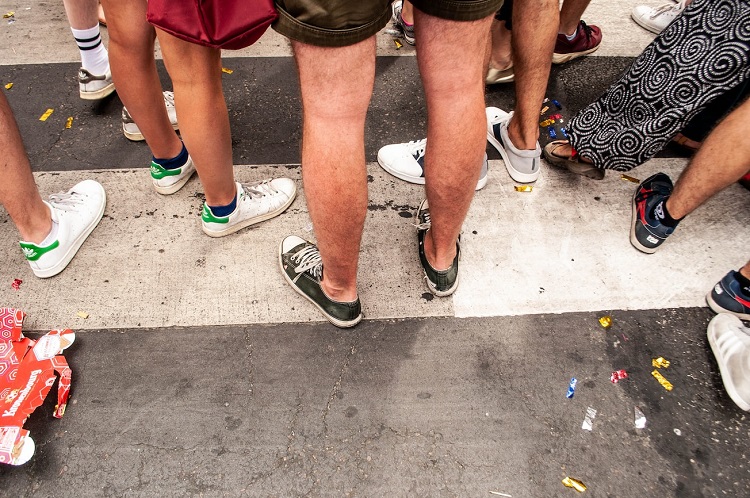
Varicose veins can be unsightly to the point that you can’t rock your short skirts or shorts. These are enlarged, twisted veins that appear closely on the surface of your skin. Varicose veins are a result of weak or damaged valves that allow some blood to pool in veins instead of flowing to the heart. Most people with varicose veins have no bothersome symptoms, but varicose veins Upper East Side can cause pain and swelling for some. The good news is that various treatments ease the symptoms and treat complications like skin discoloration and leg ulcers. Your healthcare provider may recommend one or a combination of the following treatments for varicose veins.
Compression stockings
Compression stockings steadily squeeze your legs to improve blood circulation. Usually, prescription compression stockings are tightest at the ankle and gradually loosen up the leg. Compression stockings can help relieve symptoms like pain, discomfort, and swelling, but it’s unclear whether they prevent the appearance of new varicose veins. Before wearing compression stockings, you require a Doppler investigation to check your blood circulation. Wearing compression stockings can be uncomfortable, especially during hot weather, but you need to wear them as your doctor advises to get the most benefit.
Sclerotherapy
Sclerotherapy is a procedure that involves injecting an irritant directly into the damaged vein, causing it to scar. As a result, blood reroutes to healthier veins; the collapsed vein is absorbed by surrounding tissue and then fades away eventually. Besides the sudden, sharp sting as the doctor inserts the needle, treatment should not be painful. If you experience intense pain, inform your doctor; the solution could have leaked to the surrounding tissues. You may need several injections depending on the size and varicose veins. Soon after the procedure, you can get up and walk. Your healthcare provider may recommend wearing compression stockings for at least two weeks.
Radiofrequency ablation
Radiofrequency ablation uses radiofrequency energy to heat the walls of varicose veins. During this treatment, your doctor makes an incision just above or below the knee and inserts a catheter using an ultrasound scan. The doctor then inserts a probe into the catheter to send out radiofrequency energy that heats the vein walls till they collapse. After the vein is sealed shut, blood reroutes to other healthy veins, and the collapsed vein fades away with time.
Local anesthesia is usually enough to help reduce pain during treatment, but sometimes radiofrequency ablation is carried out under general anesthesia. After the procedure, you may have short-term side effects like pins and needles (paraesthesia). Your healthcare provider may advise wearing compression stockings for a week after radiofrequency ablation.
Endovenous laser treatment
During endovenous laser treatment, your doctor makes an incision to insert a catheter with the guidance of an ultrasound scan. The doctor passes a tiny laser through the catheter, pulling along the vein to close the entire length of the vein.
The affected areas may be painful and bruised, and your legs may feel tight after the procedure. There is also a risk of nerve injury, but this is usually temporary.
If your varicose veins are causing bothersome symptoms, consult your doctor at Upper East Side Cardiology for treatment.
 physicalfitness.health.blog
Leave a comment