
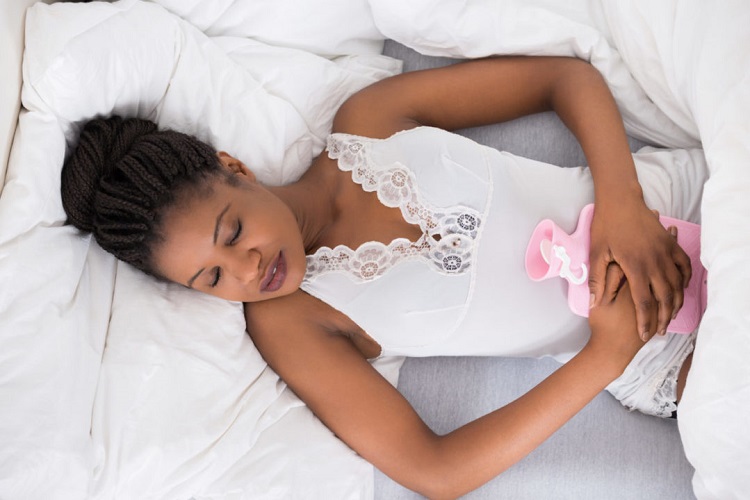
Fibroids are non-malignant growths that develop in the uterus. In most cases, they are not harmful, but sometimes they may cause abdominal pain, heavy periods, or infertility. The cause of fibroids is unknown, but some factors may influence their development. Hormones, genetic factors, and pregnancy are the common risk factors for fibroids. Buckhead fibroids can be small or large and occur in the lining or muscle of your uterus. Your doctor can do a physical examination, ask about the symptoms you are experiencing or do an ultrasound to diagnose fibroids. Fibroids are associated with many myths and symptoms, including:
You cannot get pregnant if you have fibroids.
Fibroids are mainly associated with infertility. In most cases, fibroids are not harmful and do not affect your fertility. The chances of conceiving and maintaining your pregnancy will depend on your symptoms. If your fibroids cause infertility, treatments can help increase your chances of having children. Most women with fibroids get healthy pregnancies and babies.
Once you treat your fibroids, they cannot recur.
Unluckily new uterine fibroids can grow after treatment. Once you are diagnosed with fibroids, ensure you follow up with your doctor for regular checkups. If your fibroids recur, your physician may recommend a different treatment technique. Minimally invasive treatment help eliminate fibroids permanently in most women. Routine exams and imaging screenings can help your specialist check for recurring fibroids.
Fibroids must cause heavy menstrual bleeding and abdominal pain.
Despite heavy menstrual bleeding and pain being the main symptoms of fibroids, they will not occur in all fibroid patients. Some women may not experience any symptoms. Constipation, bladder issues, and backaches are other symptoms of fibroids. If you have larger fibroids, you are most likely to show effects. Getting a medical diagnosis is the only sure way to know you have fibroids.
Untreated fibroids continue to grow.
Sometimes fibroids grow large, causing abdominal swelling but not all become bigger. In most cases, small fibroids will neither increase in size nor cause symptoms. Some fibroids grow to a specific size and then stop developing. It is challenging for your doctor to predict whether your fibroids will grow. If your fibroids are small and not causing symptoms, your physician may delay treatment to monitor your condition.
Your fibroids will disappear after menopause.
Fibroids will not always disappear after menopause. You may develop new fibroids if you have hormone replacement therapy for your menopausal symptoms. You need treatment to eliminate your fibroids. Medications can help relieve your symptoms, but minimally invasive techniques and surgical procedures eliminate your fibroids permanently. Your doctor will help you choose the best treatment option for your condition.
Fibroids only affect you in your thirties and forties.
You can develop fibroids at any age. You may not be aware you have fibroids if you are not experiencing any symptoms. The risk of developing fibroids reduces after you attain menopause because the levels of estrogen decrease. About eighty percent of all fibroid patients develop the condition by the time they turn fifty.
If you develop fibroids, ensure you visit your health care provider to help you separate the myths and facts about fibroids. Schedule an appointment at Ideal Gynecology, LCC, for fibroids treatment to relieve your abdominal pain.
 physicalfitness.health.blog
Leave a comment