
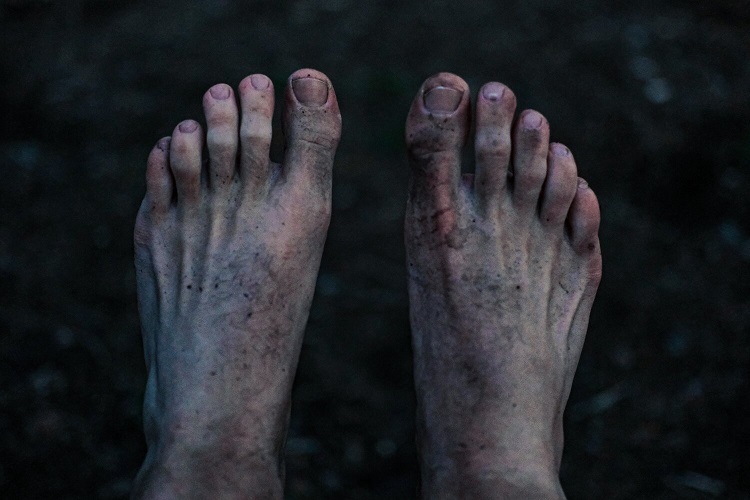
A disorder known as hammertoe can result in a deformity that makes your foot and toes bend to resemble a hammer or claw. Millions of people throughout the world are affected by this ailment, particularly women who wear restricted shoes like high heels that force the toes to bend awkwardly for an extended period of time. You may develop a flexible hammertoe, which is easier to diagnose and cure when it is still in the developmental stage, or you may have a rigid hammertoe, which can be significant and detrimental if treatment is postponed. Let’s go over how Bakersfield hammertoe can be identified and the care you can expect.
Identifying Hammertoes
It is simple to recognize hammertoe as it starts to appear on your toes since it has a distinct appearance. You will feel some degree of soreness on your toes when you put on or take off your shoes, in addition to the physical evidence.
Some swelling, corns, cramps, redness, calluses, weakness in the toes, and open discomfort are further telltale indicators of hammertoe.
There are several causes of hammertoes, but the following symptoms are the most typical ones:
- Chronic diseases like diabetes and arthritis
- Gender and age
- Genetics
- Wearing pointed or poorly fitting shoes on a regular basis
- When an injury like a jam, a fractured toe that doesn’t heal quickly, or a stubbing occurs
- Developing bunions or thick skin layers as a result of constant rubbing on the toes
Treatment for Hammertoes
Notably, when hammertoes begin to grow on your toes, and the deformity is identified early, the symptoms can be controlled, or the progression can be slowed down utilizing conservative treatment. On the other hand, you will need surgery to fix the issue after the hammertoes have deformed your toes.
Typical methods for treating hammer toes include:
Transfer of Tendons
Patients who have developed hammertoes that are slightly flexible in the joint area can undergo a tendon transfer.
The surgeon moves tendons from the bottom of the toe to the top during a tendon transfer procedure. The tendon transfer technique aims to draw your digit back to a straightened posture by rebalancing the forces acting on the joint.
Resection of the joint or arthroplasty
The surgeon makes an incision on the top of your toe during a joint resection operation. The damaged bone end is then cut and trimmed to enable the toe to lie flat. In order to straighten the toe, the surgeon will also cut the tendons and ligaments.
Following the procedure, your surgeon will prick you with needles and pins to provide immobilization and hasten the healing process.
Arthrodesis or Joint Fusion
The surgeon realigns the toe by cutting the end of the bones during arthrodesis. The bones merge as they start to recover. The surgery is carried out essentially to remove the joint and lock it in a flat position. Older patients with severe deformities or patients who have previously had surgery that failed to correct the deformity are recommended for joint fusion.
If you find any indication that Hammertoes may be growing on your toes, seek treatment as soon as possible. Set up a consultation with one of our podiatrists at Diabetic Foot and Wound Center to receive the best care possible for your hammertoes.
 physicalfitness.health.blog
Leave a comment