
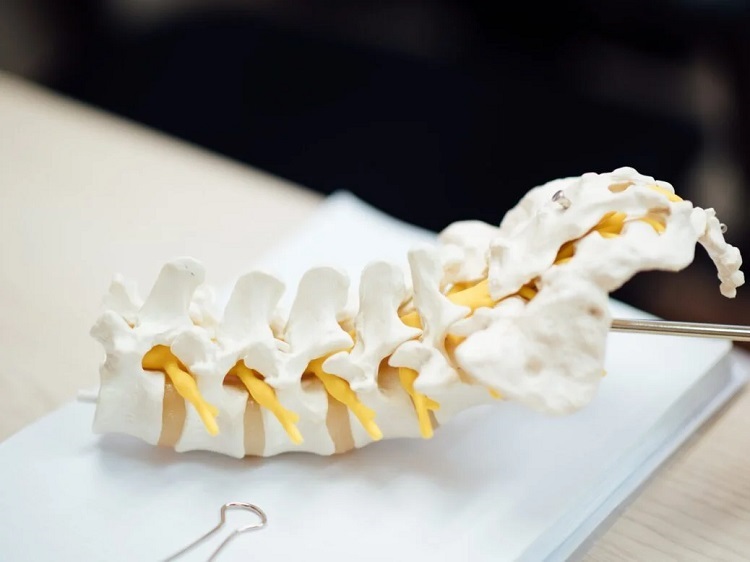
Chronic pain in your neck and spine may indicate disc damage in your spine. Your doctor may recommend disc replacement surgery to treat the pain and ensure proper disc function. The procedure involves the removal of the damaged disc and replacing it with an artificial one. Consult Ali H. Mesiwala, MD, FAANS to determine if you have disc damage. Meanwhile, read on to find out more about disc replacement surgery.
Why is disc replacement surgery important?
Your spine is made of small bones or vertebrae stacked on top of each other for maximum flexibility and stability. Sometimes, the material between the vertebrae wears out, causing grinding. The damage occurs due to degenerative disc disease or a herniated disc that causes the disc to collapse and arthritis to develop. Damaged discs compress the spinal nerves and roots, causing pain and inflammation.
In artificial disc replacement (ADR) or total disc arthroplasty (TDA), the surgeon removes the worn-out disc and replaces it with a prosthetic to restore normal motion. You may require cervical (neck) or lumbar (lower back) disc replacement depending on the area of the damage. The procedure restores normal spinal movement and alleviates pain and inflammation.
What should I expect from ADR surgery?
While Ali H. Mesiwala, MD, FAANS uses minimally invasive techniques for disc replacement surgery, this is major surgery, and you need time for the procedure and healing. ADR surgery takes around 3 hours, while full recovery takes approximately 3 months. Fortunately, your doctor will prepare adequate anesthesia, and a hospital stay to help your recovery.
The rest of the recovery can happen at home with support from your doctor. Your doctor may also recommend a soft collar for two weeks post-surgery to restrain movement. You can resume physical activity when the collar is off, according to your physician’s instructions.
The doctor makes a 1- 1½ inch incision in the front part of your neck for a cervical procedure or the abdomen for a lumbar procedure. The doctor then guides narrow instruments along the fibers, blood vessels, and body tissue to reach the damaged disc. Finally, the doctor removes the damaged disc, inserts the artificial disc and closes the incision.
What are the risks of a lumbar disk replacement?
ADR has risks such as:
- Infection of the replaced disc or surrounding tissue
- Dislocation of the replacement disc
- Implant failure due to body rejection or fracture
- Thinning of spinal vertebrae
- Stiffness of the back
- Blood clots
There may be other risks depending on your health and condition. Your doctor will perform a complete evaluation, including tests and scans, to ensure you are ready for the procedure for the best outcome.
Why do people prefer total disc replacement to spinal fusion?
Spinal fusion binds two vertebrae together, limiting the spine’s range of motion. ADR is better because it restores full mobility. Also, there is a risk of disc collapse for fused vertebrae that resist movement. Furthermore, ADR does not cause further spine degeneration, and reduces the chances of remedial treatment in the future.
Disc replacement is a suitable treatment for chronic back and neck pain. Call Dr. Mesiwala or book an appointment online to learn more about this disc damage and replacement.
 physicalfitness.health.blog
Leave a comment