
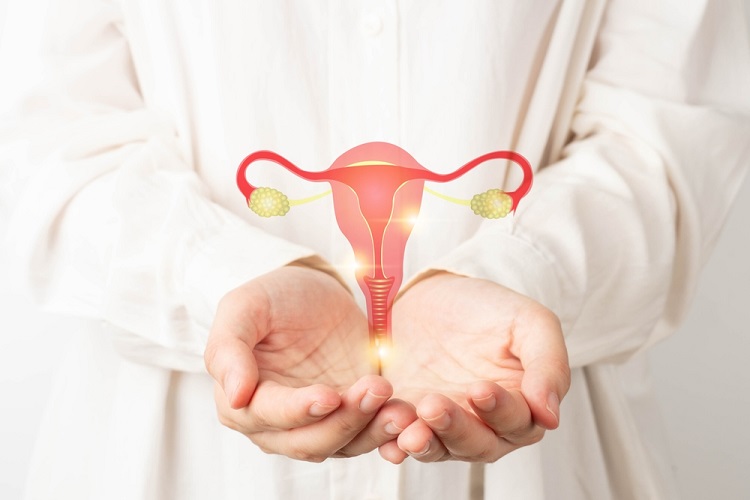
Ovarian cysts affect approximately 18 percent of women of childbearing age, making them rather frequent. While most Garden City ovarian cysts are painless and go away or diminish on their own, a few can hurt or lead to other issues.
An ovarian cyst is a fluid-filled sac that develops within or on the surface of an ovary after or during ovulation. An ovarian cyst forms when the egg is not released, or the follicle shuts after the egg is released and becomes filled with fluid.
Here are the risk factors for ovarian cysts;
1. Hormonal imbalance
Your body will release an egg monthly if estrogen and progesterone levels are balanced. If there is an imbalance, though, your ovary cannot get the signal it requires to release the egg, keeping the follicle closed and set to develop into an ovarian cyst.
Using medications that promote ovulation as part of fertility treatments might also increase your risk of developing ovarian cysts. Because clomiphene (Clomid), a fertility medication, may stimulate the formation of numerous follicles in the ovaries, it is linked to a greater frequency of ovarian cysts. When follicles don’t rupture and release an egg, they stay as fluid-filled sacs that develop into ovarian cysts.
2. Pregnancy
Early in pregnancy, many women experience corpus luteum cysts, which are ovarian cysts. The follicle shrinks into a structure called the corpus luteum when an egg is discharged from it. The corpus luteum releases hormones that prepare the uterus for fertilization.
Up until the placenta has developed, generally, around the 12th week, the pregnancy is supported by the corpus luteum. The corpus luteum normally vanishes at that point. There are instances where the corpus luteum persists and fills with fluid, generating an ovarian cyst, often without affecting the pregnancy.
3. Pelvic infection
Ovarian cyst formation may result from a pelvic infection such as pelvic inflammatory disease (PID). Cysts may develop in the ovaries due to germs from the infection spreading from the cervix.
Bacteria are present in ovarian cysts that result from pelvic infections. Sepsis, a potentially fatal condition, may be brought on by the bacteria released if the infected ovarian cyst ruptures. Treatment for an infected ovarian cyst may entail taking oral antibiotics or physically draining the cyst to avoid sepsis.
4. Endometriosis
Endometriosis is a long-term condition where tissue resembling the uterine lining develops outside the uterus. It often develops in the fallopian tubes, rectum, intestine, bladder, vagina, and other pelvic organs.
Additionally, the tissue may develop on and inside your ovaries. The ovaries create holes that fill with blood when the endometrial tissue expands. Endometriomas, sometimes known as “chocolate cysts,” are ovarian cysts that can harm the health of your ovaries and jeopardize fertility.
While most ovarian cysts may not cause symptoms, endometriosis-related ovarian cysts frequently cause pain before, during, and following your monthly period.
5. History of ovarian cysts
Your chance of getting new ovarian cysts rises if you have already experienced them. This can result from a persistent hormone imbalance or another physical ailment.
Your doctor may recommend birth control tablets to manage your hormones to stop the development of additional ovarian cysts. This won’t impact current cysts, but it can stop the growth of new ovarian cysts.
Call Women’s Healthcare of Garden City to book your appointment for ovarian cysts treatment.
 physicalfitness.health.blog
Leave a comment