
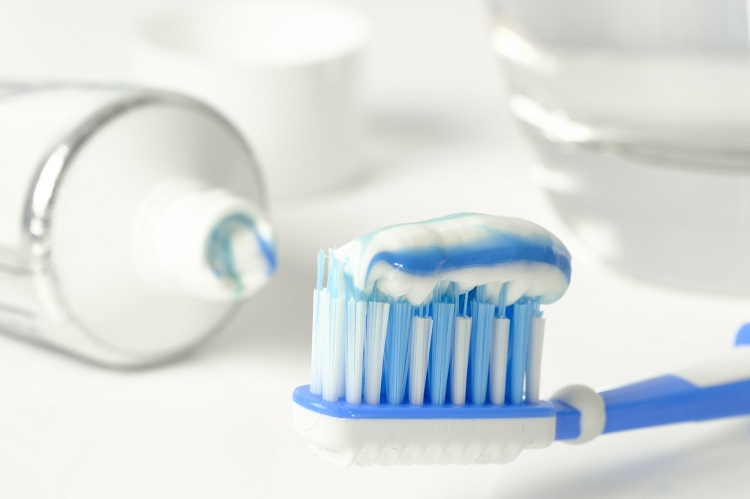
Your oral hygiene routine should happen every day. Like your skin and hair, your mouth needs to be taken care of.
Not paying attention to your teeth, gums, and tongue can cause cavities, dryness, and bad breath. Ignoring it can also make you more prone to infections and tumors.
There are several signs that you’re not brushing and flossing the way you should be. Here’s everything you need to know about the signs you need to improve your oral hygiene routine now.
Read on!
1. Bleeding Gums
It’s important to take good care of your oral hygiene, and one of the tell-tale signs you need to improve your routine is bleeding gums. Bleeding gums can develop for a variety of reasons, including excessive/incorrect brushing, poor oral hygiene, and gum recession.
If you experience bleeding gums when brushing or flossing, it’s important to take action and adjust your oral hygiene routine. Some recommendations include reducing the brushing pressure, using a softer bristle toothbrush, or simply reducing the frequency of brushing.
Additionally, it’s important to floss once daily and uses mouthwash twice daily to promote a healthy gum line and reduce the chance of bleeding.
If the bleeding persists, visit a dentist to identify the cause and create the appropriate treatment plan. Remember, taking care of your oral health is the key to healthy teeth and gums, and proper hygiene is essential for maintaining it.
2. Tooth Decay
Signs that you need to improve your oral hygiene routine for tooth decay include tooth sensitivity, discolored or transparent teeth, visible pits in your teeth, and bad breath.
If you notice any of these symptoms, you must visit your dentist as soon as possible to evaluate your teeth. Early detection and treatment of tooth decay can help prevent serious complications in the future.
Improving your oral hygiene routine by brushing your teeth at least twice a day with fluoride toothpaste, flossing at least once a day, and regularly visiting the dentist for exams and cleanings can help decrease your chances of developing tooth decay.
Taking care of your teeth is important in keeping them healthy, so it is important to maintain a good oral hygiene routine to help fight tooth decay.
3. Chronic Bad Breath
Chronic bad breath is a sign that you need to improve your oral hygiene routine. Halitosis (or bad breath) is caused by an imbalance of bacteria and fungi in your mouth, and when these colonies become overactive, they produce sulfur compounds that create an unpleasant odor.
Poor oral hygiene can lead to bacteria forming on the tongue, leading to bad breath and coated tongue. If your breath is consistently foul and unpleasant, it’s likely time to pay extra attention to your oral hygiene.
Regular brushing (twice a day) and flossing are essential for maintaining a healthy mouth, as is using a tongue scraper to remove bacteria and food residue from the tongue.
Eating nutritious, healthy foods, drinking plenty of water, and avoiding sugary snacks and beverages can help maintain optimal oral health. Taking these steps should help to improve breath and improve overall oral health.
Ultimately, you may read more on bad breath causes to know how to solve it better.
4. Gum Recession
Gum recession is an insidious sign that many of us may not even realize is happening. It occurs when your gums begin to retract away from your teeth, leaving space between the teeth and gums.
Such spaces create a prime environment for bacteria and plaque accumulation, leading to more serious forms of gum disease and tooth decay. Therefore, gum recession is a sign that you need to improve your oral hygiene routine.
To detect gum recession early, you should look for symptoms such as sensitive teeth and gums, random bleeding during brushing or flossing, the receding of your gum line, or visible accumulation of plaque on the root surfaces of your teeth.
If you’ve noticed one or more of these signs, visit your dentist or dental hygienist as soon as possible. They will be able to provide you with a proper oral hygiene routine to prevent any further problems.
5. Lumps
Signs that you need to improve your oral hygiene routine include bumps, lumps, or swellings in or around your mouth. These lumps can indicate an underlying oral health problem that requires attention.
When it comes to lumps, they can signal many different things. Lumps may signify a cyst, tumor, infection, or abscess. Additionally, lumps may be caused by various factors, such as biting your cheek, a bone spur in the jaw, wisdom teeth, or canker sores.
You must visit your dentist or healthcare provider if you are experiencing any lumps or unusual bumps in or around your mouth. They can help in identifying and treating whatever is causing the lumps. Engaging in a proper oral hygiene routine can reduce your risk of developing lumps or other oral health issues.
Oral Hygiene Routine to Consider
Improving oral hygiene can help improve your overall health, so staying focused on your routine is important. Taking steps such as using the right toothbrush and flossing regularly can help maintain good oral hygiene.
Brushing your teeth twice daily, flossing regularly, and visiting your dentist for check-ups are all great steps to take for good oral hygiene. Make sure to take care of your mouth and keep a perfect, sparkling smile!
Schedule your dental cleaning and start improving your oral hygiene routine today.
Did you find this article helpful? Check out the rest of our blogs!
 physicalfitness.health.blog
Leave a comment