
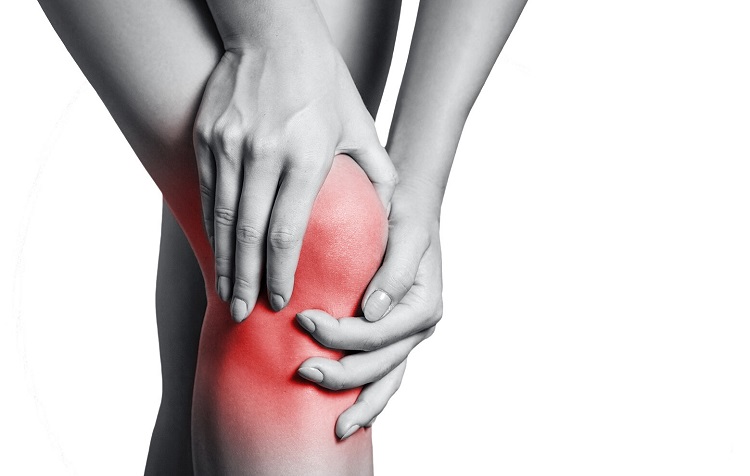
As a mother and TCM practitioner at Tong Jum Chew, my view on Chinese medicine for knee pain is a unique one. I stumbled into TCM by accident. A young mother with a screaming toddler, desperate to relieve his teething pain, armed only with a jar of tiger balm and an old memory of grandma’s herbs. This incident ignited my interest in natural healing, which has now led me to study and practise TCM. Today, I would like to share with you how Chinese medicine treats knee pain by harnessing natural remedies and holistic approaches.
Understanding Knee Pain and TCM
The Root Causes of Knee Pain
Knee pain can be due to an injury, osteoarthritis, or aging. In TCM, we see the body as a whole, and search for patterns of imbalance that augment symptoms. The most commonly found underlying problems are Qi (energy) stagnation, Blood stasis and deficiency of the Liver and Kidney meridians (which supposedly control the joints and tendons).
Diagnosing Body Patterns
The trick to diagnosing in TCM is spotting the root ‘pattern’ behind the symptoms. For knee pain this can include patterns such as:
– Qi and Blood Stagnation: Characterised by sharp, fixed pain, often due to trauma.
– Kidney Deficiency: Chronic pain and weakness, often seen in older adults.
– Cold-Damp Accumulation: Swelling and stiffness, worsened by cold and damp weather.
Natural Remedies for Knee Pain
Herbal Medicine
Herbal medicine is a core component of TCM. For pain in the knees, individual herbs, or combinations of herbs such as Du Huo Ji Sheng Tang (a famous combination of herbs that alleviate pain and nourish the Liver and Kidney), can help reduce inflammation, increase circulation and strengthen the joints. TCM practitioners at Tong Jum Chew often prescribe a combination of herbs for knee pain.
Acupuncture
Acupuncture is a very effective treatment for knee pain. Insert fine needles at the acupuncture points which followed all the meridians on the knee and ankle could bring the body’s self-healing capabilities into play. It was a safe and effective treatment with an immediate and persistent effect.
Topical Treatments
Herbal patches and liniments tackle the root of the problem and can be applied to the affected area. Herbal remedies consist of many complex ingredients, so topical treatments always tend to be more targeted in their immediate effects. One of the main ways that herbal products derive their pain-relieving power is from ingredients such as menthol, camphor and Chinese herbs that can penetrage through the skin.
Lifestyle and Dietary Tips
Keep Moving
While you need to rest periodically, especially after acute injury, prolonged inactivity can lead to worsening symptoms of knee pain. Practising gentle exercises like Tai Chi and Qigong strengthen the muscles around the knee, improve Qi flow, and improve flexibility.
Maintain a Healthy Weight
Moreover, being overweight puts extra pressure on the knees. Thus, a well-balanced diet based on whole grains, lean proteins and plentiful vegetables and fruits is of great importance to maintain an adequate weight and meet nutritional needs of joints.
Avoid Cold and Damp
TCM teaches that cold and damp will aggravate joint pain. Wear cold-weather clothing that keeps your knees warm, and avoid cold and damp climates when you can.
Things to Take Note Of
Consistency is Key
As natural remedies often have a delayed response, treating the cause of a symptom or preventing a recurrence depends on your ability to stick faithfully to your treatments, take herbal medicines on time, and adhere to lifestyle recommendations in the long-term.
Consult a Professional
Home remedies are often good, but be sure to consult a TCM practitioner who can correctly diagnose the pathophysiological root cause of the condition and formulate a treatment modality tailored to your individual needs. For a personalised consultation and treatment plan for your knee pain, visit Tong Jum Chew.
What to Avoid
Don’t just take over-the-counter painkillers in the long-term, though they may give temporary relief; such medications do not help get rid of the cause of the pain. And because such exercises put much pressure on the knee joint, avoid all such high-impact activities.
Final Thoughts
If knee pain is negatively affecting your life, you can find relief by working with Chinese medicine for knee pain. Here’s how to reduce pain and swelling while preventing future episodes of them with a treatment that is holistic and all-natural. Chinese medicine for knee pain can help you alleviate pain and restore full function Returning your body to a healthy balance plays a major role in treatment, particularly in the realm of Chinese medicine for knee pain. It sheds light on the tendon pattern indicator, for instance, which means that the kidney yin, the governing force behind the tendons in the body, is blocked. Often, this tends to happen more in women than men.
We at Tong Jum Chew use tons of TCM beef products to help alleviate your joints pain TCM problems and better your life with quality TCM treatments. Be wise and use TCM to eliminate your pain now.
 physicalfitness.health.blog
Leave a comment