
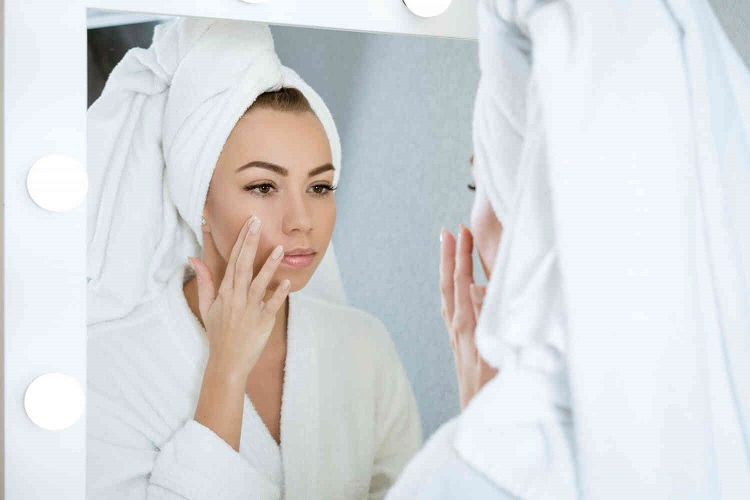
The Importance of Personalized Skin Care
Each skin condition comes with its own set of challenges. For instance, psoriasis is characterized by excessive skin cell production leading to scaling and inflammation, while eczema and atopic dermatitis involve a compromised skin barrier, causing dryness, irritation, and increased sensitivity. Recognizing these differences is the first step in choosing the right products. Rather than relying on generic skin care solutions, it is crucial to opt for products designed specifically for each condition – whether you’re looking for cosmetics for psoriasis or cosmetics for eczema.Regeneration for Psoriasis: Targeted Solutions
For individuals dealing with psoriasis, maintaining the skin’s natural moisture and repairing the skin barrier are top priorities. Effective products in this category are often enriched with active ingredients such as salicylic acid, urea, comfrey extract, and neroli oil. These ingredients work synergistically to remove dead skin cells, reduce inflammation, and lock in moisture. Products that offer dermocosmetics for psoriasis are specifically formulated to:- Exfoliate and remove excess scales gently.
- Provide deep hydration to avoid dryness.
- Soothe inflammation and reduce the discomfort often associated with psoriasis flare-ups.
Effective Strategies for Managing Eczema
Eczema, with its hallmark dry, cracked, and inflamed skin, requires a different approach. The goal is not only to moisturize but also to restore the skin’s lipid barrier, which is often compromised in eczema-prone skin. Here, dermocosmetics for eczema come into play, offering formulations that balance hydration with barrier repair. Key ingredients found in these products include:- CBD oil: Known for its anti-inflammatory properties, it helps soothe irritated skin.
- Hemp seed oil: Works as a natural moisturizer and barrier enhancer.
- Natural extracts: Such as black seed oil and specialized plant extracts that aid in reducing redness and sensitivity.
Addressing Atopic Dermatitis with Gentle Care
Atopic dermatitis, commonly referred to as eczema when it involves atopic skin, requires products that are ultra-gentle. The focus here is on avoiding harsh chemicals and irritants that can trigger flare-ups. When choosing cosmetics for atopic skin and cosmetics for atopic dermatitis, look for products that emphasize:- Intense hydration: To counteract dryness.
- Anti-inflammatory properties: To reduce the intensity of flare-ups.
- Hypoallergenic formulations: To minimize the risk of allergic reactions.
Managing Seborrheic Dermatitis Effectively
Seborrheic dermatitis, characterized by excessive sebum production and inflammatory skin changes, demands a careful balance of cleansing and moisture control. The right cosmetics for seborrheic dermatitis should work to regulate oil production while gently cleansing the skin to remove impurities. In many cases, products in this category include ingredients like BHA (beta hydroxy acids) to unclog pores and control sebum production.Key Ingredients in Modern Dermocosmetic Formulations
A look at the active ingredients in these advanced formulations reveals why they are so effective. Here is a list of some of the most commonly used ingredients in products designed for chronic skin conditions:- Salicylic Acid: Helps in exfoliating dead skin cells, crucial for cosmetics for psoriasis.
- Urea: Acts as a moisturizer and keratolytic agent, essential for skin care with psoriasis.
- Comfrey Extract: Promotes skin regeneration and soothes inflammation.
- Neroli Oil: Known for its calming properties, reducing redness and irritation.
- CBD Oil: Provides potent anti-inflammatory effects for dermocosmetics for eczema.
- Hemp Seed Oil: Enhances skin barrier function and hydration.
- Black Seed Oil: Supports skin repair and maintains a healthy barrier.
The Benefits of a Tailored Skin Care Routine
Adopting a personalized skin care routine can make a world of difference for those suffering from chronic skin conditions. A tailored approach means that you are no longer subject to the trial-and-error of generic products. Instead, you are investing in a regimen that acknowledges the unique needs of your skin. For example:- Dermocosmetics for psoriasis help manage scaling and inflammation.
- Cosmetics for psoriasis work by providing the right hydration and barrier repair needed for a healthier skin surface.
- Cosmetics for eczema and cosmetics for skin with eczema ensure that moisture is locked in while reducing the frequency of flare-ups.
- Specialized products like cosmetics for seborrheic dermatitis and cosmetics for atopic dermatitis offer gentle yet effective solutions for their respective conditions.
Conclusion
Managing chronic skin conditions requires more than just occasional treatments; it demands a dedicated, personalized approach. With the right regimen – ranging from dermocosmetics for psoriasis to cosmetics for atopic skin – individuals can experience true regeneration and lasting relief. Emphasizing products such as cosmetics for psoriasis, cosmetics for eczema, and skin care products for psoriasis ensures that your skin receives the care it deserves, tailored to its unique challenges.In a world where chronic skin conditions are increasingly common, embracing a targeted and research-backed skin care routine is the key to achieving both comfort and confidence. Whether you are battling psoriasis, eczema, atopic dermatitis, or seborrheic dermatitis, the modern formulations available today offer hope and tangible results for improved skin health.
 physicalfitness.health.blog
Leave a comment