
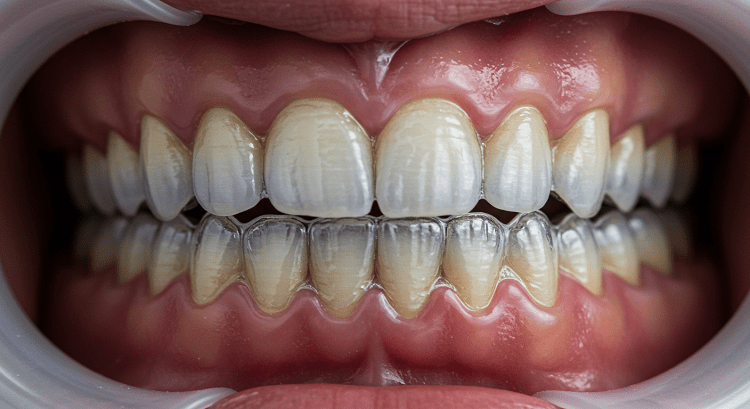
If you’re considering straightening your teeth, Invisalign® has become one of the top choices—and for good reasons. Clear, comfortable, and effective, Invisalign aligners offer a modern alternative to traditional braces. Here’s a look at what Invisalign does best, who can benefit, and how to decide if it’s right for you. Read more
What Problems Can Invisalign Address
Invisalign is designed to correct a wide range of mild to moderate alignment issues. These include:
- Crooked or twisted teeth
- Crowded arches where there isn’t enough space for teeth to sit properly
- Overbites or underbites where the upper and lower teeth don’t meet correctly
- Crossbites (when some top teeth bite inside the bottom ones)
- Open bites (when front teeth don’t touch when the mouth is closed)
Extreme or very complex cases—especially those requiring multiple extractions, major dental work, or jaw surgery—may still need traditional braces or other orthodontic options. But for many people, Invisalign can handle what needs to be done.
What Makes Invisalign Different (and Often Better)
Here are some of the biggest advantages that make Invisalign appealing:
- Almost Invisible Appearance
The clear aligners are discreet. When you smile or talk, most people won’t even notice you’re wearing braces. - More Comfort, Less Pain
Because there are no metal wires or brackets, there is typically less irritation to lips and gums. Movement of teeth tends to be more gradual, which can reduce soreness. - Easier Oral Hygiene
You can remove the aligners to brush and floss normally. That means less trapped food, lower risk of cavities, and fewer places for plaque and tartar to settle. - No Dietary Restrictions
Since you take the aligners out when eating, you aren’t limited in what foods you can enjoy. Avoiding hard, sticky, or chewy foods is a major concern with braces; Invisalign sidesteps that issue. - Less Potential Damage to Enamel
The gentle, evenly distributed pressure from aligners reduces risk of enamel wear or damage—risks often associated with brackets and wires.
What to Expect & Whether You’re a Good Fit
- Initial Assessment
The first step is a consultation with an orthodontist or Invisalign-provider. Expect an exam and often X-rays or digital scans. These help determine whether your case is manageable with aligners or if braces or more advanced treatment might be needed. - Custom Plan & Aligners
If you qualify, your provider will map out a treatment plan—including 3D imaging—to create a series of custom aligners tailored to gradually move your teeth. - Time & Commitment
Treatment usually spans 6 months to about 2 years, depending on the severity of the misalignment. The key is wearing your aligners about 20-22 hours a day to get the best, fastest results. Taking them out too often slows progress. - Adjustment Period
Teeth may feel loose or sore at first. That’s completely normal—it’s the teeth shifting. Over time, discomfort lessens, and many find the process quite manageable.
Is Invisalign Right for You?
If you value comfort, discretion, and flexibility, and your dental alignment needs are moderate rather than extreme, Invisalign might be the ideal fit. However, cost is often higher than traditional braces, and treatment requires discipline. If you want precision, peace of mind, and fewer daily restrictions, it’s worth talking with a dental professional to see if Invisalign fits your situation.
Choosing the right orthodontic solution is about balancing your lifestyle, dental needs, budget, and comfort. Invisalign offers many benefits, but making the best decision involves discussing your goals with a trusted provider. If you decide to go this route, you could end up with a straighter, healthier smile without sacrificing everyday convenience.
 physicalfitness.health.blog
Leave a comment